Placemats serve as a protective and decorative layer for tabletops, helping to shield surfaces from heat, moisture, and spills while adding a tactile and visual element to dining or work spaces. In the context of foam-based home goods, placemats complement materials such as memory foam pillows and organic mattresses by offering a breathable, easy-to-clean surface that maintains airflow and reduces surface abrasion.
When evaluating placemats made for foam-focused environments, consider materials that balance durability with softness. Natural fibers and treated foams can provide heat resistance and stain repellency, while maintaining a neutral aesthetic. Such placemats can harmonize with bedding items like sheets and pillows, contributing to a cohesive, restful room ambiance across a sleep-centric interior.
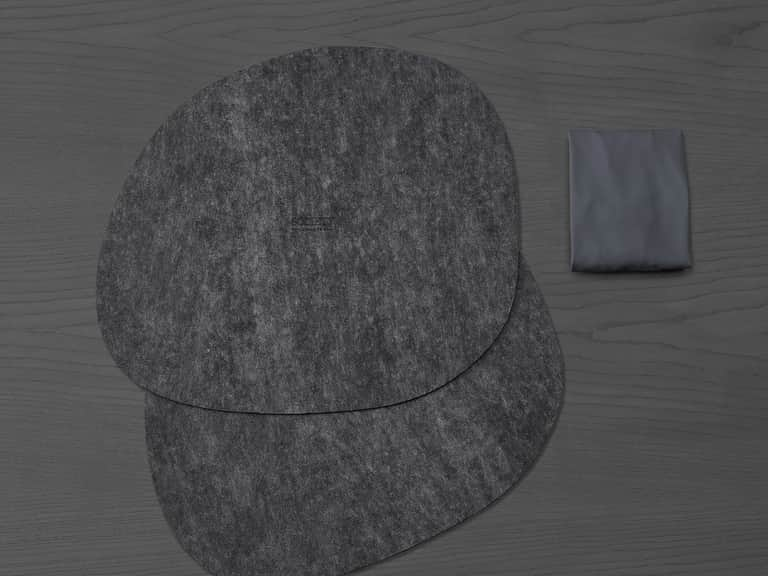
Foam Housse placemats, a notable entry in this category, emphasize a durable, cushioned edge that protects tabletops from dents and scratches. Their foam-backed design improves grip and stability during meals or work sessions, while the outer surface remains easy to wipe clean, supporting low-maintenance upkeep in spaces oriented toward comfortable living.
Foam Housse (including variations) offers functional benefits such as quick cleanup, heat resistance, and compatibility with a variety of tabletop finishes. These features align with the broader bedding ecosystem, including memory foam pillows and organic mattresses, by fostering a unified, practical approach to interior surfaces that support daily routines.
In educational settings or home environments where durable, easy-care surfaces are valued, placemats with foam components can contribute to long-term usability. They emphasize material compatibility with a wide range of textiles and finishes, while promoting cleanlines and organization that echo the practical considerations found in bedding products such as sheets, pillows, and foam-based mattresses.
 Table