A Practical Guide to Choosing Foam and Futon Mattresses: Materials, Use Cases, and Care
A editorial guide for readers curious about the intersection of foam technology and futon design, with practical tips for selection, maintenance, and sleep health. This resource leans educational, neutral, and organized for everyday readers who want clarity without product pitches.
Introduction: Why Foam and Futon Mattresses Matter Now
The world of mattresses is bustling with terminology—memory foam, polyurethane foam, plant-based foams, and the foldable elegance of futons. The domain foamfutonmattress.com speaks to a curious audience: readers who want to understand the core differences, the science behind comfort, and the practical steps to choose a surface that supports better sleep. These discussions don’t require a store, but they do require a vocabulary. In this guide, we’ll untangle materials, densities, certifications, and design choices, while keeping the focus on use cases and longevity.
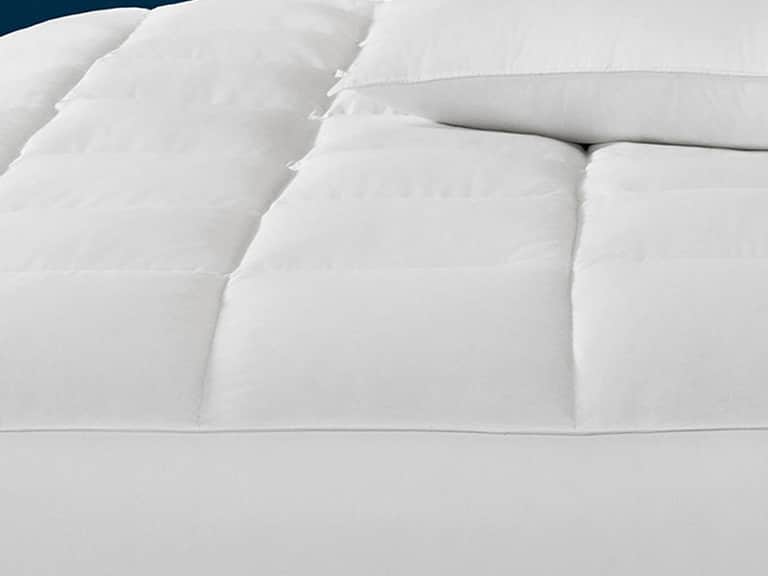
To ground this exploration in real-world touchpoints, we’ll reference practical products that illustrate design principles. For example, the Monmouth Mattress Pad (a down-filled accessory layer) demonstrates how layering and loft can influence perceived comfort, durability, and breathability. This is not a product pitch; it’s a concrete example of how mattress components work in harmony with core foams to shape sleep.
Part I: Understanding Foam Types, Densities, and Labels
Foam is not a single material; it is a family of foams with distinctive properties:
Memory foam responds to heat and weight, contouring to your body over time. ILD (indentation load deflection) often translates to a sense of firmness; higher ILD means a firmer feel. Memory foam excels at pressure relief for many sleepers, but some users cite heat buildup. - Polyurethane foam_: A versatile, commonly used core foam with a wide density range. Polyfoam systems can be engineered for responsiveness, bounce, and support at a more accessible price point.
- Plant-based foams_: These foams aim to balance comfort with ecological considerations. They typically emphasize open-cell structures for breathability and may carry certifications that matter to health-conscious consumers.
Labels and certifications provide signals about performance and safety. Look for recognized certifications such as CertiPUR-US or equivalent, which indicate limits on certain chemicals and a commitment to product safety. When you see terms like ILD or density, think of it as a hint about firmness and support: ILD is the industry shorthand that helps you compare among foams of similar thickness.
Part II: The Futon Dimension: Folding, Support, and Use Cases
Futons bring a different design logic to the sleeping surface. Traditional futons emphasize flexibility, foldability, and space-saving versatility. When combined with foam, you can get a hybrid that offers contouring comfort while still accommodating a convertible lifestyle. A practical takeaway: if you anticipate needing a surface that transitions from daily seating to a guest bed, a foam-infused futon mattress can be optimized with appropriate frame support and breathable covers to mitigate heat buildup.
Use-case scenarios drive the core decisions. A foam-dominant mattress is often favored by back and side sleepers who want steady support and minimal motion transfer. A futon-design mattress tends to serve as a multi-use surface for compact spaces or guest rooms. When evaluating, ask: Will this be a primary bed, a guest option, or a temporary solution? How much surface area do you need, and what kind of maintenance regime can you commit to?
Part III: How to Choose: A Simple Decision Framework
The decision framework below helps readers assess needs without leaning toward specific brands or storefronts.
- Sleep position and weight: Side sleepers often prefer pressure relief on shoulders and hips, while back sleepers may prioritize spinal support. Heavier weights may require denser foams for lasting support.
- Firmness tolerance: If you have a history of stiffness, you might aim for a mid-range firmness that balances contouring with support. For some, a firmer feel reduces tossing and turning.
- Heat and breathability: If overheating is an issue, consider foams with better open-cell structures, gel-infused cores, or cooling covers. In futon configurations, choose breathable layers and consider seasonally swapped covers.
- Durability and warranties: Density and foam composition influence longevity. Look for densities that align with the expected lifespan, and review care guidelines to maximize performance over time.
- Care and maintenance: All foams benefit from proper rotation, occasional airing, and avoidance of moisture buildup that can degrade foams over time.
Part IV: A Closer Look at Material Deep Dives
This section highlights how different materials interact with real-life sleep. We’ll cover a few core foam families and design considerations without endorsing any product line.
- Memory foam: Excellent for contouring, pressure relief, and motion isolation. It can be warmer for some sleepers, so consider phase-change materials or breathable covers.
- Polyurethane foam: A versatile core option. Look for densities that support your weight and use case. A higher density polyfoam can be more durable for daily use.
- Plant-based foams: A growing category with evolving certifications. They can offer a different feel and potential environmental benefits depending on the formulation.
Part V: Maintenance, Odor Control, and Longevity
Extending mattress life requires practical routines. Here are key steps:
- Regular airing and periodic rotation to ensure even wear.
- Use breathable covers and remove moisture to prevent mold and odors.
- Seasonal checks for sagging or indentations and consideration of toppers where needed.
- Gentle cleaning methods for surface soils; avoid harsh chemicals that can degrade foam polymers.
Part VI: Real People, Real Sleep Stories (Key Figures Across Time)
To bring a human perspective to the science, we invite a short, editorially-toned look at three influential individuals from different eras who shaped how we think about sleep, comfort, and material culture. These figures, though not directly associated with foams, offer timeless insights into how people interact with surfaces that support rest.
Hypatia of Alexandria (c. 350–415 CE)
A philosopher and mathematician who championed systematic inquiry, Hypatia represents the early spirit of examining foundational ideas—much like how modern readers examine foam densities and layering. Her legacy reminds us to question assumptions about comfort, structure, and the relationships between form and function.
Jane Addams (1860–1935)
A social reformer and advocate for well-being, Addams championed safer, healthier living environments. Her emphasis on dignity and community resonates with a non-commercial, educational approach to bedding information—where the focus is on knowledge, safety, and practical guidance rather than shopping.
Ai Weiwei (b. 1957)
An artist known for challenging norms and rethinking everyday objects, Ai Weiwei’s approach mirrors the ethos of reimagining the mattress as more than just a surface. In the context of foam and futon design, his legacy invites readers to consider how materials, form, and use cases intersect to shape daily life and comfort.
These portraits are not simply about antiquity or prestige; they underscore a timeless principle: sleep quality is an outcome of thoughtful choices, informed curiosity, and an interest in how everyday objects affect health and well-being.
Part VII: A Quick Product Spotlight (Illustrative Example)
While this guide remains informational, it can be helpful to examine a representative product that demonstrates the value of layering and material decisions. Consider the Monmouth Mattress Pad, a European goose-down-filled cover with a breathable 307TC cotton batiste shell and 10-inch sewn-through box construction. While designed as a pad rather than a core mattress, it illustrates how well-structured, lofted layers can contribute to sleep comfort by adding softness, loft, and breathability without heavily altering the core support.
Monmouth Mattress Pad
Part VIII: Glossary of Terms
A quick reference to help you decode labels and descriptions:
- CertiPUR-US: A certification indicating tested, regulated foam safety and emissions.
- Density: A material property often correlated with durability and support.
- Open-cell structure: Promotes breathability and airflow through foam.
Part IX: A Practical Plan for Content Creation (If You’re Building This Site)
If you’re developing an informational hub, start with a robust content calendar that balances material science, care guides, and use-case comparisons. Suggested early topics:
- How memory foam works: contouring and heat dynamics
- Foam densities explained: finding the right balance of support
- Care routines for foam mattresses: cleaning, airing, and longevity
- Foam vs spring: how to decide for your sleep style
- Understanding futon design: folding mechanics and frame compatibility
Conclusion: The Path Forward for Foam and Futon Education
The journey through foam and futon mattresses is ultimately a journey toward better sleep. By focusing on materials, use cases, and care strategies, readers can make informed, non-promotional choices that align with their needs, budgets, and living spaces. The foamfutonmattress.com direction chosen here—the Educational Consumer Guide—invites curiosity, encourages critical thinking, and places readers at the center of the decision process.