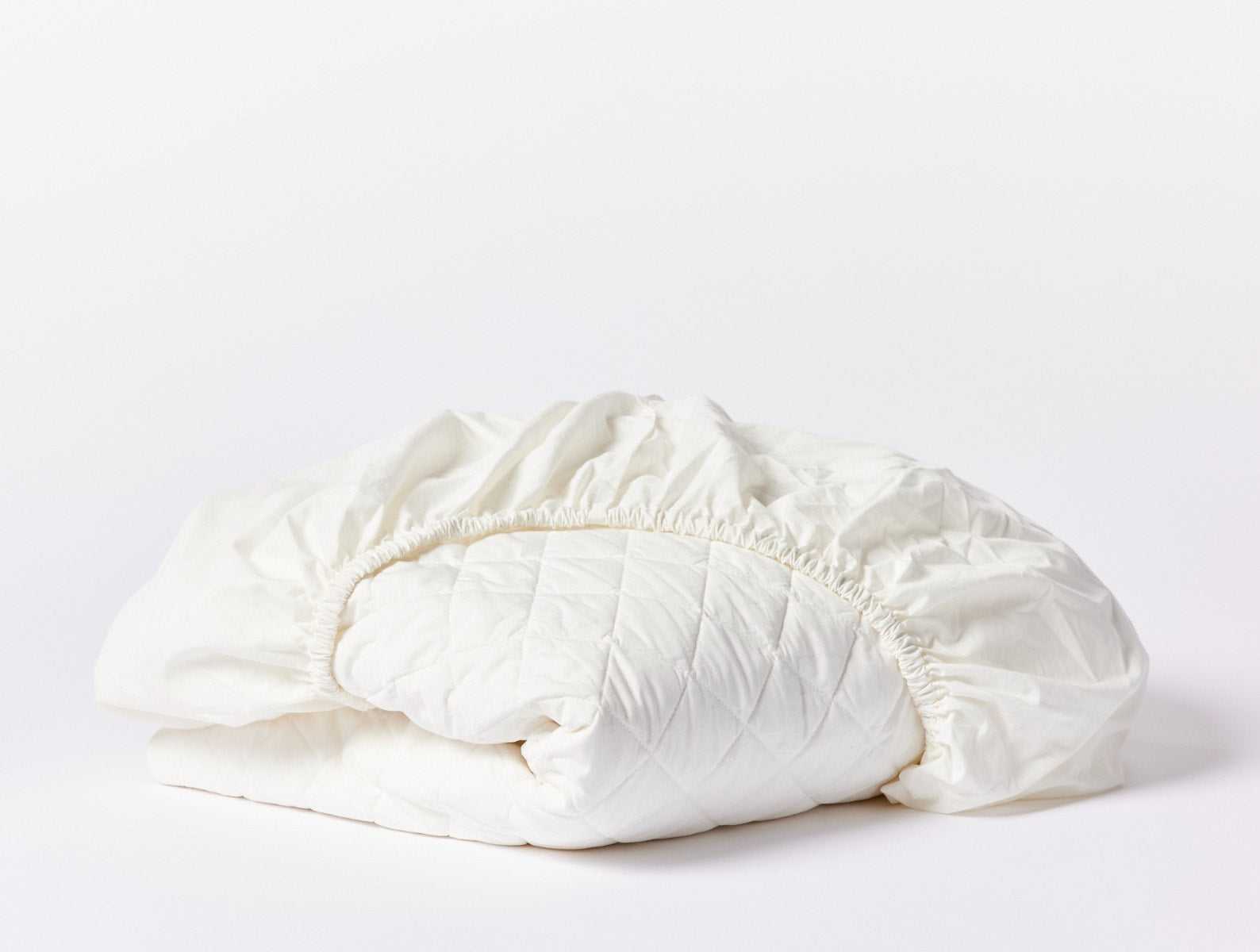
Mattress pads provide an extra layer of cushioning and protection between a mattress and sleeper, enhancing comfort and extending mattress life. In this category, foam futon resources emphasize breathable materials, temperature regulation, and pressure distribution. Understanding how mattress pads function helps users select options that align with sleep preferences, bed sizes, and allergen considerations, while integrating with broader bedding systems like sheets and memory foam pillows.
Key features often include fabric construction, fill type, and moisture management. Organic and natural fibers, such as cotton or bamboo blends, contribute to a soft surface and improved airflow. For foam futon setups, selecting a pad with appropriate loft and density can balance support with comfort, reducing motion transfer and optimizing sleep quality across various sleeping positions.
The Organic Crib Mattress Pad is designed for infant safety and comfort, using breathable, non-toxic materials and a snug fit to prevent shifting. Features typically include waterproof or water-resistant surfaces for protection, alongside gentle seams and a gentle stretch for secure placement on standard crib mattresses, addressing both cleanliness and resilience.
The Organic Cotton Mattress Pad focuses on natural fiber efficiency, offering a cotton surface that remains cool and comfortable throughout the night. Functional benefits often include easy maintenance, durability, and compatibility with a wide range of bed bases, making it a versatile choice for adults seeking a breathable, hypoallergenic padding layer.
Incorporating terms such as bedding, memory foam pillows, sheets, and organic mattresses, this category highlights how mattress pads complement a cohesive sleep environment. By examining padding density, moisture control, and fabric health, readers can better assess how a pad affects thermal comfort, pressure relief, and long-term mattress support.
 Bedding