Crib mattresses are designed to provide a safe, supportive sleeping surface for infants, with emphasis on firmness, breathability, and cleanable materials. In this category, foam-based options often balance contour support with a stable base to reduce sinking, helping maintain proper spinal alignment. Key features include airflow, removable covers, and materials chosen to minimize off-gassing while meeting safety standards.
Foam crib mattresses frequently employ high-density foam layers to resist compression and maintain shape over time. Many models incorporate breathable covers and moisture-wicking fabrics to manage humidity and spills. For parents, understanding flame-retardant compliance and certifications can guide selections that align with nursery safety priorities and hygiene considerations.
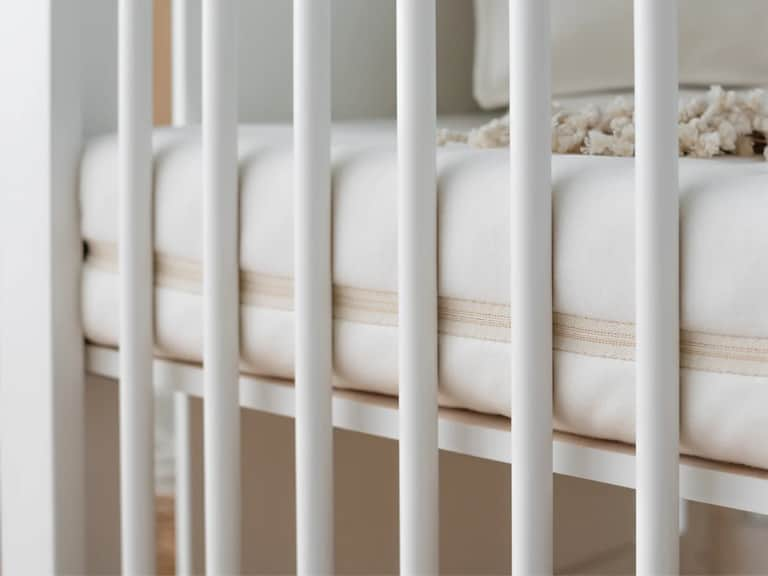
The Obasan Organic Crib Mattress exemplifies a compatible option within this category, emphasizing organic materials and chemical-free components. It typically features a supportive core and a breathable, removable cover that can be washed, aiding in hygiene maintenance. Functional benefits include durable performance and reduced exposure to common allergens for sensitive sleepers.
When evaluating crib mattresses, users should consider fit with standard crib dimensions, ease of cleaning, and the durability of the fabric and foam. Memory foam pillows and other bedding accessories can complement sleep comfort for older infants, while sheets and bedding sets should be chosen to fit snugly and reduce gaps around the mattress.
In the broader bedding context, selecting a foam crib mattress connects to related essentials such as organic mattresses, sheets, and pillows, ensuring a cohesive approach to nursery comfort. Understanding how foam density, cover fabrics, and moisture barriers influence long-term usability helps caregivers optimize infant sleep environments with safe, reliable materials.
 Nursery